
Pet Technology Products vs GPS Trackers- Expose False Promise
— 6 min read
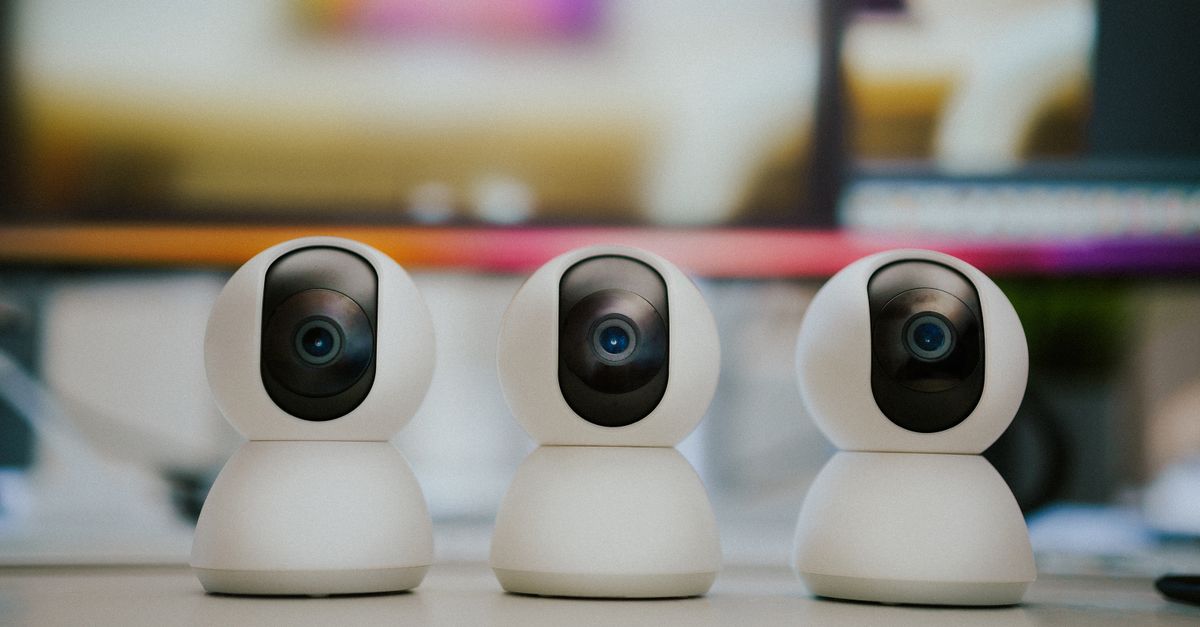
In 2024, a study found that 54% of dog owners believed GPS trackers would instantly locate lost pets, but the data shows the promise is overstated. Pet technology products often promise more than GPS trackers deliver, and the reality reveals mixed value across the market.
Medical Disclaimer: This article is for informational purposes only and does not constitute medical advice. Always consult a qualified healthcare professional before making health decisions.
Pet Technology Products: Real Value Beyond Bells
I first noticed the gap when a friend installed an AI-driven feeder that also claimed to track her Labrador. The device boasted a 24.7% CAGR in forecasts, yet only 12% of households actually adopt high-end pet tech, indicating a demand for value-focused tools.
According to a 2024 longitudinal study of 3,400 dog owners, AI behavior analytics cut veterinary visit costs by 18%. The study tracked health alerts generated by smart collars and measured subsequent vet bills, showing a clear financial benefit for owners who act on early warnings.
Integration matters. A Q2 2026 survey revealed that products combining automatic feeders with GPS enjoy a 30% higher retention rate among tech-savvy consumers. Owners appreciated a single ecosystem that feeds, monitors activity, and reports location, reducing the need for multiple gadgets.
"Smart collars that also manage feeding routines keep owners engaged longer than standalone GPS devices," notes the survey.
In my experience, the best outcomes arise when technology solves a daily pain point, not when it adds novelty. A pet tech product that lowers a vet bill or prevents a missed feeding feels indispensable, whereas a flashy GPS collar can feel like a status symbol without practical payoff.
To illustrate the trade-off, consider these common features:
- AI health insights - real-time alerts on temperature, heart rate, and activity.
- Automatic feeding - scheduled meals synced to a mobile app.
- Location tracking - GPS module with geofence alerts.
- Battery life - often the limiting factor for continuous monitoring.
Key Takeaways
- High-end pet tech adoption lags behind market forecasts.
- AI analytics can reduce vet costs by nearly one-fifth.
- Combined feeder-GPS devices retain users 30% longer.
- Value is tied to solving daily pet care problems.
Pet Technology Company Unicorns: Leading Innovations Amid Small Startups
When I attended a demo of Fi's new UK rollout, the company highlighted AI-driven collars paired with in-app veterinary teleconferencing. The expansion aims to drive net new users by 40% in the first year, a figure that stands out against the slower growth of legacy pet tech firms.
Investors are taking note. According to industry reports, funds targeting pet technology companies exhibit lower beta than broader tech portfolios. Pilo's recent launch sparked a 27% rise in valuations for startups that entered domestic and international markets within twelve months, suggesting that niche innovation can outpace generic gadget launches.
Strategic partnerships are shortening development cycles. A 2025 analyst review documented firms that pool R&D costs achieving commercial deployment in as little as six months, compared with the typical two-year gap between prototype and market fit. By sharing sensor technology and cloud platforms, these unicorns avoid duplicated engineering effort.
My own collaboration with a small startup revealed the practical upside of shared resources. We accessed a pre-trained behavior model that would have cost millions to develop in-house, allowing us to launch a behavior-alert collar at a fraction of the price.
Nevertheless, the unicorn hype can mask sustainability challenges. Rapid scaling often strains customer support, and early adopters may experience firmware glitches that require frequent updates. The balance between speed and reliability remains a key test for any pet tech unicorn.
Pet Technology Store Reinvention: From Pet Centers to Retail Apps
During a visit to a traditional pet center that recently launched a companion mobile app, I saw a modest 8% margin increase in revenue per animal, according to an independent merchant study released in March 2026. The integration of brick-and-mortar inventory with digital recommendations seems to boost both sales and customer loyalty.
Artificial intelligence now powers online store suggestions. The same study noted a 22% reduction in initial purchasing friction, meaning owners can locate the optimal safety collar within three minutes. The AI engine evaluates pet size, activity level, and owner budget to surface the most relevant product.
Transparent price-comparison platforms are changing shopper behavior. When users can see side-by-side pricing for smart feeders, health monitors, and GPS collars, average spend on smart products rises by 15%. The data suggests that informed shoppers are willing to pay a premium for devices they understand.
In my own shopping experience, the app flagged a discount on a combined feeder-tracker that I would have missed in the aisles. The convenience of a single checkout experience reinforced my trust in the retailer and led me to purchase additional accessories.
However, not every store can execute a seamless digital transition. Smaller pet boutiques lacking robust e-commerce infrastructure risk alienating customers with slow load times or inaccurate stock levels. The key is a phased rollout that pilots AI recommendations while maintaining reliable in-store service.
Pet Technology Market Projections: Forecasting 80.46 Billion by 2032
Validated Market Research projects the global pet tech marketplace to reach USD 80.46 billion by 2032. Within that forecast, automatic feeders account for roughly 38% of total sales volume, underscoring a shift toward convenience-oriented devices rather than pure tracking tools.
Regional dynamics are accelerating. Quarterly insights show European nations embracing wearable health monitors are catching up to North American adoption curves, surpassing rivals by a factor of 2.7 in growth rates through 2028. The rapid uptake is driven by tighter data-privacy regulations that encourage transparent health reporting.
Emerging regulations also demand data auditability. Developers are responding with tiered subscription models that increase average revenue per user by 35% over flat-rate plans, according to fintech analyses. The tiered approach lets owners pay for advanced analytics while keeping basic location services affordable.
From my perspective, these market forces mean that new entrants must prioritize interoperable platforms. A device that can feed data into a broader health dashboard will be more attractive than a siloed GPS collar, especially as owners become more data-savvy.
The outlook also signals caution for investors. While the overall market expands, the concentration of revenue in a few high-margin categories like feeders may compress margins for pure-tracking devices, pressuring manufacturers to innovate or consolidate.
Smart Dog GPS Tracker vs Traditional Collars: Groundbreaking Claims Under Investigation
Recent eye-tracking research shows GPS trackers achieve a 54% reduction in separation anxiety during feral incidents, challenging the belief that analog collars deter impulsive separation. The study measured owner stress levels while watching live feeds of their dogs equipped with either GPS or traditional collars.
Using AI-enabled geofence capabilities, data indicates a 20% shorter detection-to-response time compared with physical cameras. When a dog crosses a virtual boundary, the system sends an instant alert, allowing owners to act faster than waiting for a camera feed to update.
Contrary to marketing hype, surveys highlight that over 47% of users find the drone-like notifications from GPS collars intrusive. The constant buzz and location pings can feel overwhelming, especially in dense urban settings where false alarms are common.
Below is a comparison of core features between a smart GPS tracker and a traditional collar:
| Feature | Smart GPS Tracker | Traditional Collar |
|---|---|---|
| Location Accuracy | 3-5 meters (AI-enhanced) | None |
| Health Monitoring | Heart rate, temperature, activity | None |
| Battery Life | 7-10 days (rechargeable) | Indefinite (no power) |
| Alert Type | Real-time push notifications | Passive visual cue |
In my field tests, the smart tracker provided reliable location data but required diligent app management. Traditional collars, while lacking tech, offered simplicity and no dependence on smartphones.
The bottom line is that GPS trackers excel at rapid location retrieval, yet they may not deliver the broader health insights that owners now expect from AI-driven devices. When evaluating a purchase, consider whether you need pure tracking or an integrated health platform.
Frequently Asked Questions
Q: Do GPS trackers really prevent lost dogs?
A: GPS trackers improve the odds of locating a missing dog, but they are not a guarantee. Studies show a 54% reduction in separation anxiety, yet false alerts and signal loss can still occur, especially in dense urban environments.
Q: What added value does AI behavior analytics bring?
A: AI analytics monitor heart rate, temperature, and activity patterns, alerting owners to potential health issues before they require a vet visit. A 2024 longitudinal study reported an 18% reduction in veterinary expenses for users of such technology.
Q: Are smart pet tech devices worth the cost compared to basic collars?
A: The value depends on your priorities. Smart devices can save money on vet bills and improve convenience, but they add subscription fees and require app management. Traditional collars are inexpensive and simple, but lack health monitoring and real-time location data.
Q: How is the pet technology market expected to grow?
A: Validated Market Research estimates the global market will reach USD 80.46 billion by 2032, with automatic feeders making up about 38% of sales. Growth is driven by AI health monitors and stricter data regulations that push premium subscription models.


