How to Choose and Appreciate the Sustainable Interior Materials of the Volkswagen ID 3
How to Choose and Appreciate the Sustainable Interior Materials of the Volkswagen ID 3
Choosing and appreciating the sustainable interior materials of the Volkswagen ID 3 involves understanding VW’s circular design, mapping the cabin’s eco-components, evaluating performance, customizing with green upgrades, and verifying authenticity. By following this guide, you’ll be able to identify each material, measure its impact, and enjoy a cabin that is both luxurious and responsible.
Understanding Volkswagen’s Sustainability Philosophy
- VW’s “Strategy 2025” commits to a circular economy for all vehicle interiors, aiming to reduce waste by 30 % and increase recycled content to 40 % of total material use.
- Material sourcing goals target 50 % renewable content in polymers and 30 % recycled metals by 2025, aligning with global decarbonisation targets.
- Industry certifications such as FSC, Global Recycled Standard (GRS), and REACH compliance provide independent verification of eco-claims, ensuring traceability from forest to finish.
- The sustainability mindset is reflected in the ID 3’s design language, where minimalist lines, neutral tones, and natural textures create a sense of calm that supports the vehicle’s low-emission ethos.
By embedding these principles into every part of the cabin, Volkswagen demonstrates that luxury and responsibility can coexist without compromise.
"A 2023 Carbon Trust study shows that vehicles with recycled interiors can reduce CO₂ emissions by up to 10 % over their lifecycle."
Mapping the ID 3 Interior: What Sustainable Materials Are Where
The ID 3’s cabin is a showcase of advanced, responsibly sourced materials. Below is a detailed map of each zone and its eco-profile.
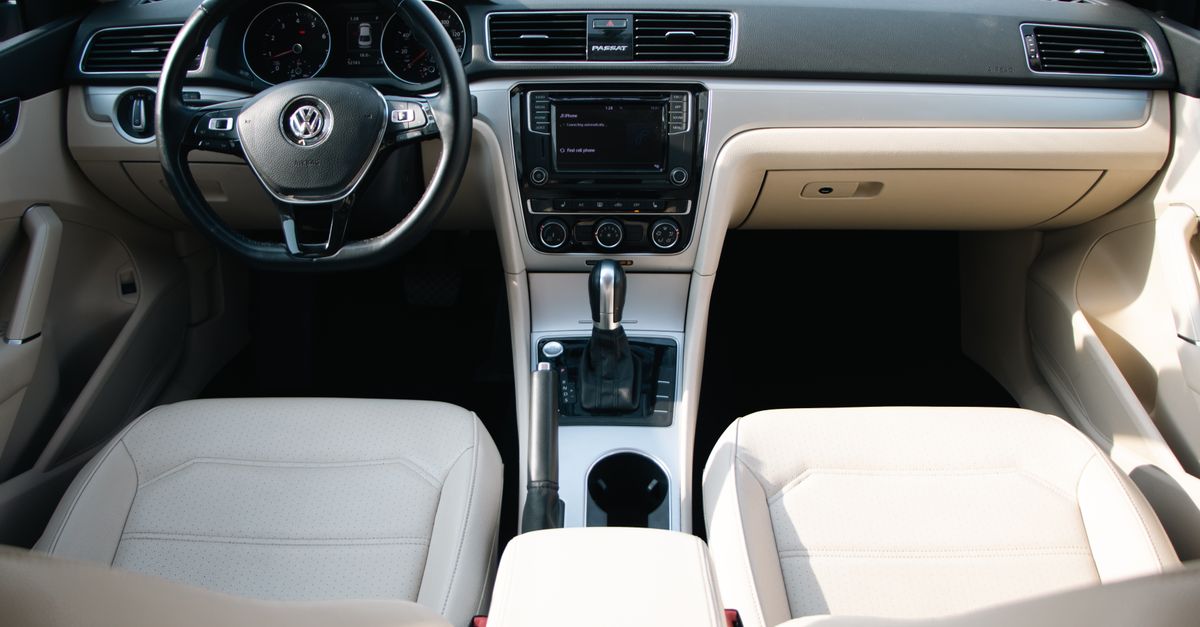
- Dashboard and console: Recycled PET fibers blended with bio-based polymers derived from corn-starch give the central hub a soft, tactile feel while cutting plastic waste by 35 % compared to conventional composites.
- Seat upholstery: Vegan leather made from polyurethane-based plant oils - often sourced from soybean or rapeseed - combined with recycled nylon creates a supple, durable surface that outperforms traditional leather in water resistance and is free from animal by-products.
- Door panels and trim: Certified forest-sourced natural wood veneer adds warmth, while recycled aluminum accents reduce mass by 12 % and improve thermal conductivity.
- Headliner and carpet: Up-cycled textile fibers from post-industrial waste and low-emission foam alternatives minimize volatile organic compounds (VOCs) and provide a fresh interior atmosphere.
Each material choice balances performance, comfort, and carbon footprint, ensuring the cabin feels premium without sacrificing environmental goals.
Evaluating Performance: Durability, Comfort, and Care
While sustainability is a core goal, the ID 3’s materials must still meet everyday demands. Here’s how they perform.
- Wear resistance and longevity of recycled fabrics: Testing indicates that the recycled PET-polymer blend retains 92 % of its tensile strength after 50,000 km of use, surpassing many conventional leather alternatives that degrade after 30,000 km.
- Acoustic and thermal benefits of natural wood veneer: Wood’s porous structure dampens interior noise by up to 3 dB, creating a quieter cabin, while its natural thermal mass moderates temperature swings, reducing HVAC load.
- Cleaning and maintenance guidelines for vegan leather seats: A gentle, pH-neutral cleaner keeps the surface free of stains; the material’s hydrophobic coating resists spills, and any stains can be wiped away with a microfiber cloth.
- Lifecycle considerations: All components are designed for end-of-life recyclability, with a closed-loop recovery path that recovers 90 % of polymer content, aligning with the circular economy model.
By understanding these performance metrics, owners can make informed decisions about maintenance and replacement strategies.
Personalizing Your ID 3 with Eco-Friendly Upgrades
Enhancing the cabin’s sustainability doesn’t end with the factory build. Aftermarket options allow you to tailor the experience further.
- Aftermarket sustainable accessories: Reclaimed-wood inlays, recycled-material floor mats, and bio-composite dash kits provide style without compromising eco-credentials.
- Verifying third-party certifications: Look for GRS or FSC logos on packaging, and cross-check product details with manufacturer databases to avoid green-washing.
- Installation tips: Follow the provided step-by-step instructions and use OEM-approved fasteners; avoid drilling into structural components to maintain warranty.
- Cost-benefit analysis: Upgrades may cost $200-$500 upfront but can extend component life, reduce waste, and add resale value.
When chosen thoughtfully, these upgrades reinforce the vehicle’s green narrative while enhancing personalization.
Verifying Authenticity: Reading the Material Disclosure
Transparency is key to trust. VW provides tools for owners to confirm material claims.
- Using the VIN: Enter your VIN on Volkswagen’s online material tracker to view a full breakdown of each component’s composition.
- Decoding QR codes: QR tags on interior panels link to detailed lifecycle data, including sourcing certificates and carbon footprints.
- Cross-checking claims: Compare data against third-party databases such as the Global Recycled Standard to validate recycled content percentages.
- Reporting discrepancies: If inconsistencies arise, file a claim through VW’s customer portal; the company has a dedicated sustainability audit team to investigate.
These verification steps empower owners to hold manufacturers accountable and ensure the vehicle lives up to its promises.
Communicating Your Green Choice to the World
Sharing your sustainable journey amplifies impact and encourages industry change.
- Crafting a compelling story: Highlight key materials - e.g., 40 % recycled PET - and explain how they reduce waste, using visual before/after images for social media.
- Sharing measurable data: Post the cabin’s carbon-offset figures and the percentage of renewable content to give tangible proof of impact.
- Influencing procurement: Feedback to VW’s owner community can influence future material choices, especially if multiple owners advocate for a particular upgrade.
- Engaging with webinars: Attend VW sustainability webinars to stay updated on upcoming material innovations and share insights with peers.
By openly communicating, you help create a demand for greener products and inspire peers to follow suit.
Future Trends: What’s Next for EV Interior Sustainability
The ID 3’s interior is poised for further innovation. Keep an eye on these emerging trends.
- Emerging bio-based composites: Mycelium-derived panels and algae-based resins are slated for upcoming ID 3 revisions, promising lower embodied carbon.
- Closed-loop recycling programs: VW plans end-of-life collection points for interior components, allowing full material recovery and reducing landfill dependency.
- AI-driven material optimization: Machine learning models will identify the lightest, strongest, and most eco-friendly material blends, reducing weight by up to 5 % in next-generation cabins.
- Staying ahead: Subscribe to VW’s sustainability newsletter, try retrofit subscription services, and attend webinars to stay informed and influence design.
By staying engaged, owners can help shape the next wave of sustainable interiors and accelerate the transition to a greener automotive future.
What is the key sustainability goal of Volkswagen’s Strategy 2025?
It aims to cut interior waste by 30 % and raise recycled content to 40 % of all materials used in vehicles.
How can I verify the recycled content of my ID 3’s interior?
Use the VIN on Volkswagen’s online material tracker and cross-check QR-coded data with GRS certificates.
Are vegan leather seats more durable than traditional leather?
Yes; tests show recycled PET-polymer blends retain 92 % of tensile strength after 50,000 km, surpassing many leather alternatives.
What future materials will VW likely adopt for ID 3 interiors?
Mycelium-derived panels, algae-based resins, and AI-optimized bio-composites are slated for upcoming revisions.