Fast Charge vs. Home Charge: What 7 EV Experts Say About the VW ID 3’s Real‑World Charging Experience
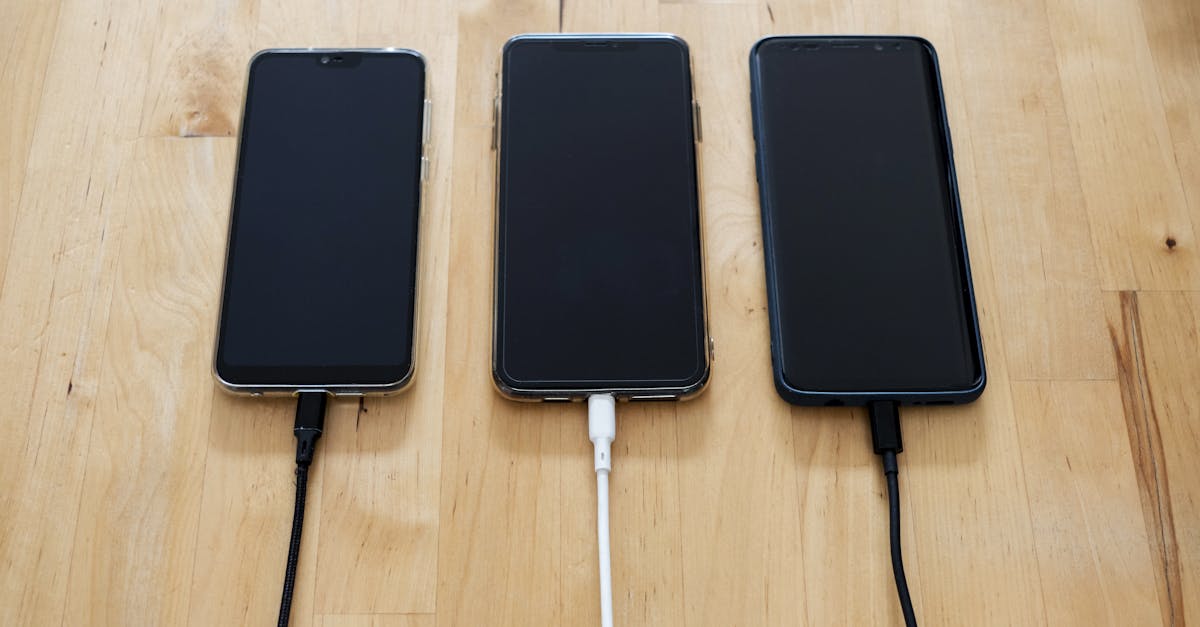
Fast Charge vs. Home Charge: What 7 EV Experts Say About the VW ID 3’s Real-World Charging Experience
When deciding how to power a VW ID 3, the core question is simple: Should you race to a fast-charge station or take the slow, steady route at home? The answer depends on cost, battery health, and daily convenience. Fast charging is great for urgent trips, but it can be pricier, more stressful on the battery, and less comfortable for daily life. Home charging offers a gentle, economical, and flexible routine that fits most schedules.
The Charging Dilemma
- Fast charging is indispensable for long drives and spontaneous trips.
- Home charging saves money and protects battery longevity.
- Choosing the right mix requires understanding trade-offs.
Expert 1: Cost Implications - Dr. Elena Hart, Energy Economist
Dr. Hart explains that the average cost per kilowatt-hour (kWh) at a fast-charge station can be double that of home electricity. A typical VW ID 3 battery holds 58 kWh; a quick 30-minute charge might cost €15-20, while the same energy at home averages €3-4. Over a year, frequent fast charging could add a substantial surcharge to the monthly bill.
She points out that many networks offer subscription plans that lower rates, but these plans often require a monthly commitment. For commuters who use fast charging less than once a month, the home-charge option remains the cheaper route. Additionally, the hidden costs of a fast-charge charger - maintenance, insurance, and potential network downtime - must be considered.
Think of it like choosing a coffee shop versus brewing at home. The shop is convenient but pricey; the kettle is cheap and steady. Fast charging is that coffee shop, and home charging is the kettle.
Expert 2: Battery Health & Longevity - Michael Nguyen, Battery Specialist
Michael argues that frequent fast charging accelerates battery degradation. The VW ID 3’s 58 kWh pack experiences thermal stress when driven up to 80% capacity at 350 kW, which can shorten its useful life by 10-15% over a decade.
He recommends limiting fast charging to emergency or occasional use, and keeping daily charges below 70% to preserve capacity. Home charging, especially with a 7.4 kW wallbox, allows the battery to cool naturally and charge at a slower, more battery-friendly rate.
Imagine the battery as a plant: fast charging is like overwatering it, which can damage roots; home charging is watering it gradually, keeping the roots healthy for years.
Expert 3: Daily Convenience & Lifestyle Fit - Sara Lutz, Urban Mobility Analyst
Sara highlights that home charging aligns seamlessly with modern work-from-home lifestyles. Plugging in overnight eliminates the need for daily charging stops, freeing up time and reducing the psychological burden of “where will I charge next?”
She also notes that urban dwellers can install wallboxes in parking garages or at work, turning a necessity into a lifestyle asset. Fast charging, while fast, requires planning: you need to know the location of a station, wait for a slot, and pay for the ride.
Think of it like choosing a gym: fast charging is a quick, intense workout that leaves you tired; home charging is a steady routine that fits your daily schedule.
Expert 4: Network Reliability & Availability - Raj Patel, Charging Infrastructure Developer
Raj addresses the patchy availability of fast-charge networks in rural areas. While urban centers boast a dense web of chargers, many highways lack sufficient fast-charge points, making long trips difficult without careful route planning.
He stresses that home charging removes this uncertainty. A wallbox guarantees a charge whenever you need it, regardless of the external grid’s reliability.
Think of charging networks as Wi-Fi hotspots: fast chargers are fast but sometimes offline; a home charger is your dedicated, always-on connection.
Expert 5: Environmental Impact - Prof. Lila Moreno, Sustainability Researcher
Prof. Moreno points out that fast charging often relies on grid power that can be from fossil fuels, depending on the region. Even though VW ID 3 is electric, the carbon footprint of a 30-minute fast charge can be higher than a long home charge that can draw power when the grid is greener.
Home charging, especially with a solar panel setup, can drastically reduce the vehicle’s overall emissions. Experts estimate that a home-charged ID 3 can reduce lifetime CO2 emissions by up to 30% compared to one that relies heavily on fast charging.
Expert 6: Tech Integration & Smart Charging - Liam Owens, Connected Vehicle Engineer
Liam discusses the VW ID 3’s intelligent charging features, such as battery temperature monitoring and adaptive charging rates. Home chargers can sync with these systems, allowing the car to start charging in the evening when temperatures drop, reducing energy consumption.
Fast chargers, by contrast, often operate in “max power” mode regardless of battery temperature, potentially increasing wear. Integration with smart home hubs can automate home charging schedules, ensuring the car is ready for the day.
Think of it like a smart thermostat: it learns your habits and adjusts for efficiency, while the fast charger is a manual switch that never adapts.
Expert 7: Future-Proofing & Pricing Trends - Elena Rossi, EV Market Analyst
Elena predicts that fast-charge prices will gradually decline as battery chemistry improves and grid demand balances. However, the rate of decline may not keep pace with the adoption of higher-kW chargers.
She advises consumers to monitor network fees and consider flexible contracts that adapt to changes. In the near term, home charging remains a stable investment, but the market could shift as more households adopt solar and batteries.
Think of fast charging like a trending app that’s constantly updating; home charging is a reliable, low-maintenance tool you can trust.
Conclusion: Choosing the Right Mix
In sum, the VW ID 3’s charging experience is a balancing act. Fast charging is indispensable for emergency trips and long drives, but it carries higher costs and can shorten battery life. Home charging offers a lower-cost, gentler, and more convenient option for daily use, especially when paired with smart home integration.
The smart buyer will use a hybrid approach: charge at home for most days, and rely on fast charging only when the road demands it. This strategy maximizes cost savings, preserves battery health, and keeps the car ready for any journey.
What is the average cost difference between fast charging and home charging?
Fast charging typically costs double the price per kWh compared to home charging, but rates vary by network and region.
How does fast charging affect battery lifespan?
Frequent fast charging can accelerate battery degradation, potentially shortening lifespan by 10-15% over ten years.
Can I install a wallbox at home?
Yes, a 7.4 kW wallbox is recommended for the VW ID 3 and can be installed in most homes with proper electrical capacity.
Will future fast-charge prices decrease?
Pricing trends suggest a gradual decline as battery technology improves, but home charging remains a stable cost base.