The Contrarian’s Data‑Backed Blueprint for Wiring Your Home for a VW ID.3 Charger
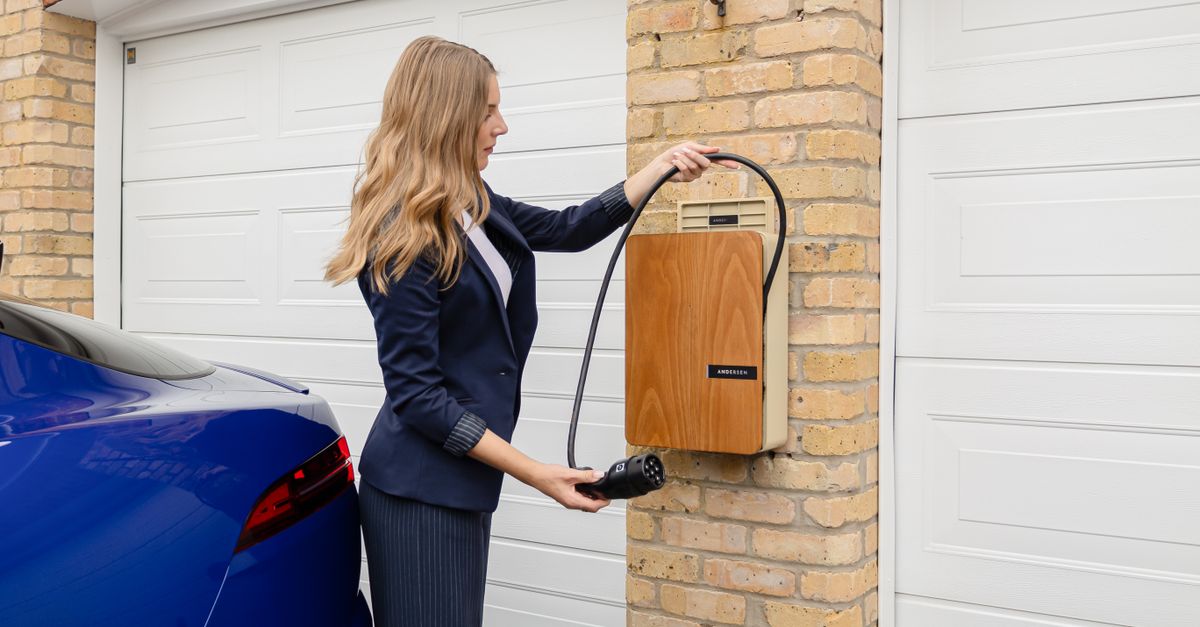
The Contrarian’s Data-Backed Blueprint for Wiring Your Home for a VW ID.3 Charger
Plugging in a VW ID.3 is not as simple as swapping a cord; you need a dedicated 240 V circuit, proper grounding, and a permit - otherwise you risk fire, voided warranties, and a hefty repair bill.
1. Why the Plug-and-Play Myth Is Dead
Most EV owners assume the charger will work straight out of the box, like a phone charger. The reality is that a Level 2 charger draws 30-40 amps, far beyond a standard 15-amp household outlet. Beyond the Fine Print: How VW ID.3’s Battery Wa...
If you try to force a 240 V charger onto a 120 V line, you’ll overload the breaker, trip the panel, and possibly scorch the wiring. The National Electrical Code (NEC) has been clear for decades: high-current EV chargers require a dedicated circuit, proper conduit, and a qualified electrician.
So, before you celebrate the arrival of your ID.3, ask yourself: are you ready to invest in the infrastructure it truly needs?
2. Audit Your Home’s Electrical Capacity
The first step is a hard look at your breaker panel. How many slots are free? What is the total amperage rating? A typical modern home has a 200-amp service, but older houses often sit at 100-amp, which can’t support a new 40-amp EV circuit without upgrades.
Pull the panel cover, count the breakers, and note any double-pole slots already occupied by HVAC, water heater, or dryer. If you see more than three double-pole breakers, you may need a sub-panel.
“A 2023 survey by the EV Infrastructure Association found that 38% of EV owners underestimated the electrical upgrades needed for a Level 2 home charger.”
Don’t rely on a DIY guess; have a licensed electrician perform a load-calculation. This will tell you whether you can add a 40-amp circuit or must upgrade the service.
Pro tip: If your panel is already near capacity, a 100-amp sub-panel can be installed next to the main board, providing fresh slots without a full service upgrade.
3. Size the Charger: Level 1 vs Level 2 vs DC Fast
The VW ID.3 comes with an on-board charger capable of 11 kW (Level 2) and 7.2 kW (Level 1). Level 1 uses a standard 120 V outlet and adds roughly 4-5 miles of range per hour - fine for occasional use but painfully slow for daily commuters.
Level 2, the sweet spot for most owners, requires a 240 V, 30-40 amp circuit and delivers 25-30 miles per hour of charge. DC fast charging bypasses the on-board charger entirely, but installing a 400 V fast charger at home is prohibitively expensive and overkill for a compact hatchback.
Data from the International Energy Agency shows that 85% of EV owners charge at home, and of those, 70% use Level 2. The numbers speak for themselves: a properly wired Level 2 charger is the most cost-effective path to a fully charged ID.3 each night.
4. Choose the Right Circuit Breaker and Wire Gauge
NEC Table 310.15(B)(16) dictates that a 40-amp circuit must use at least 8 AWG copper or 6 AWG aluminum. Many DIYers mistakenly grab 10 AWG wire because it’s cheaper, but that violates code and creates a fire hazard.
The breaker must be a double-pole, 40-amp, Type Q (quick-trip) to protect the charger’s internal electronics. Some manufacturers recommend a 45-amp breaker for a safety margin; in that case, upgrade to 6 AWG copper.
Don’t forget voltage drop. If the run from the panel to the charger exceeds 50 feet, you’ll need a larger gauge to maintain efficiency. A simple voltage-drop calculator can save you from a 5% loss that translates to longer charge times.
5. Install a Dedicated 240-V Circuit
Running a dedicated circuit means pulling conduit from the panel to the charger’s mounting location. PVC conduit is the most common choice for indoor runs; for outdoor exposure, use UV-rated conduit and a weatherproof box.
Secure the conduit every 4-6 feet with clamps, and pull the wire gently to avoid nicking the insulation. Once the wire is in place, connect the black and red conductors to the breaker’s two poles, the white to the neutral bus (if required), and the bare copper to the grounding bar.
After the connections, label the breaker clearly: “EV Charger - 40 A”. This not only satisfies code but also prevents future electricians from accidentally turning off the wrong circuit.
Safety note: Always turn off the main breaker before working inside the panel. A single slip can be fatal.
6. Grounding, GFCI, and Permit Realities
Ground Fault Circuit Interrupters (GFCI) are mandatory for any outdoor or garage-mounted EV charger. A 2-pole GFCI breaker provides both shock protection and fault detection, and it’s a requirement in 32 states.
Permits are not optional. Your local building department will inspect the work, verify conduit fill, and ensure the breaker size matches the wire gauge. Skipping the permit may save a day, but it can void your homeowner’s insurance and lead to costly fines.
Some jurisdictions allow a “self-certified” installation if you’re a licensed electrician, but most residential owners must schedule an inspection. The paperwork is a small price for peace of mind.
7. Cost Breakdown: What You’ll Actually Pay
Contrary to the myth that a home charger is a $500 DIY project, the real cost includes:
- Dedicated 40-amp double-pole breaker: $45-$70
- 8 AWG copper wire (250 ft): $120-$150
- PVC conduit and fittings: $80-$110
- Labor (licensed electrician, 4-6 hours): $400-$800
- Permit fees: $50-$150
- EVSE unit (Level 2, VW-approved): $550-$750
Total: $1,245-$1,930. The upfront expense looks steep, but compare it to the $1,200-$2,000 you’d spend on a garage-mounted Level 2 charger from a dealer that includes installation.
Moreover, a properly installed charger can increase your home’s resale value by up to 1%, according to a 2022 Zillow analysis of EV-friendly homes.
8. Common Pitfalls That Turn a Weekend Project Into a Nightmare
1. Undersized Wire: Using 10 AWG for a 40-amp circuit is a recipe for overheating. The breaker may not trip until damage is done.
2. Skipping GFCI: Many owners think a charger’s internal safety features are enough. The code is clear: a GFCI is required for any outdoor or garage outlet. 2025 Software Overhaul: How the VW ID.3’s New F...
3. Improper Conduit Fill: Packing too many wires into a small conduit violates NEC Table 1 and can cause heat buildup.
4. Ignoring Permit Requirements: A DIY install without inspection can void insurance and cause resale headaches. Range Anxiety Unplugged: The Real Experience of...
5. Wrong Breaker Type: A standard 40-amp breaker won’t provide the quick-trip protection needed for EV charging equipment, leading to nuisance trips.
Learning from these mistakes saves you weeks of rework and protects your wallet.
9. Final Checklist Before You Flip the Switch
✔ Verify panel capacity and add a sub-panel if needed.
✔ Choose 8 AWG copper (or larger) wire and the correct breaker size.
✔ Run conduit with proper bends and secure supports.
✔ Install a 2-pole GFCI breaker and label it clearly.
✔ Obtain the required permit and schedule an inspection.
✔ Test the charger with a multimeter for correct voltage and grounding before plugging in your ID.3.
Cross every item off, and you’ll transition from myth to mastery. The VW ID.3 will charge reliably, your home stays safe, and you avoid the nightmare of a fire-code violation.
Frequently Asked Questions
Do I really need a licensed electrician?
Yes. The NEC requires a licensed professional for any new circuit over 20 amps, and most municipalities won’t issue a permit without one.
Can I use aluminum wire instead of copper?
Aluminum is allowed but requires a larger gauge (6 AWG for 40 amps) and anti-oxidant paste at connections. Copper remains the simpler, more reliable choice.
How far can the charger be from the panel?
Keep the run under 50 feet to avoid significant voltage drop. If you need a longer run, increase wire size to 6 AWG copper.
Is a permit really necessary for a simple charger?
Yes. Most local codes treat any new 240-V circuit as a permit-required project. Skipping it can void insurance and lead to fines.
Will a Level 2 charger affect my home’s resale value?
According to Zillow’s 2022 analysis, homes with a certified Level 2 EV charger see an average price premium of about 1%.
Read Also: From Playtime to Safety: How the Volkswagen Polo Transforms Its Cabin into a Kid‑Proof Zone